

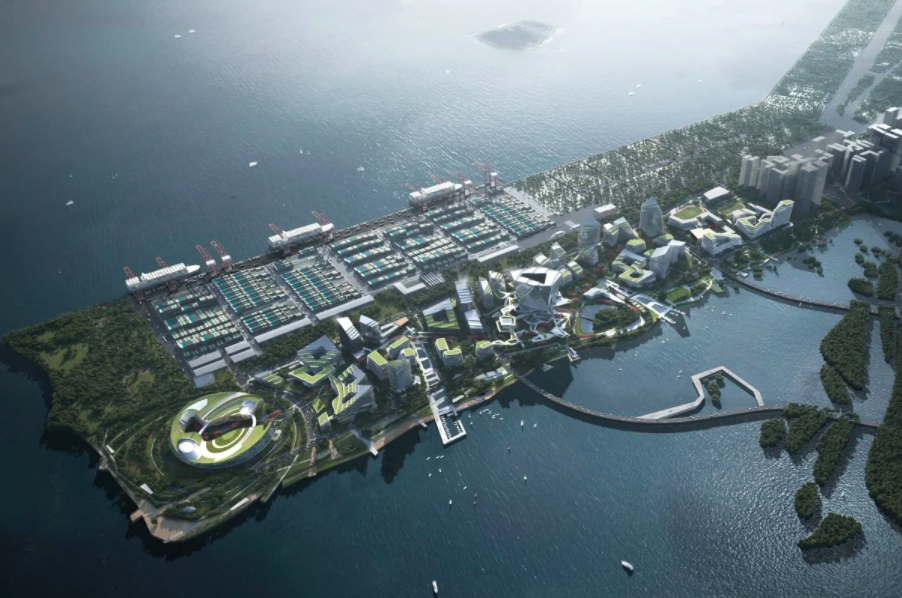
Chinese tech giant Tencent, best known globally as the owners of WeChat, has revealed its plans to develop a sustainable smart city in Shenzhen.
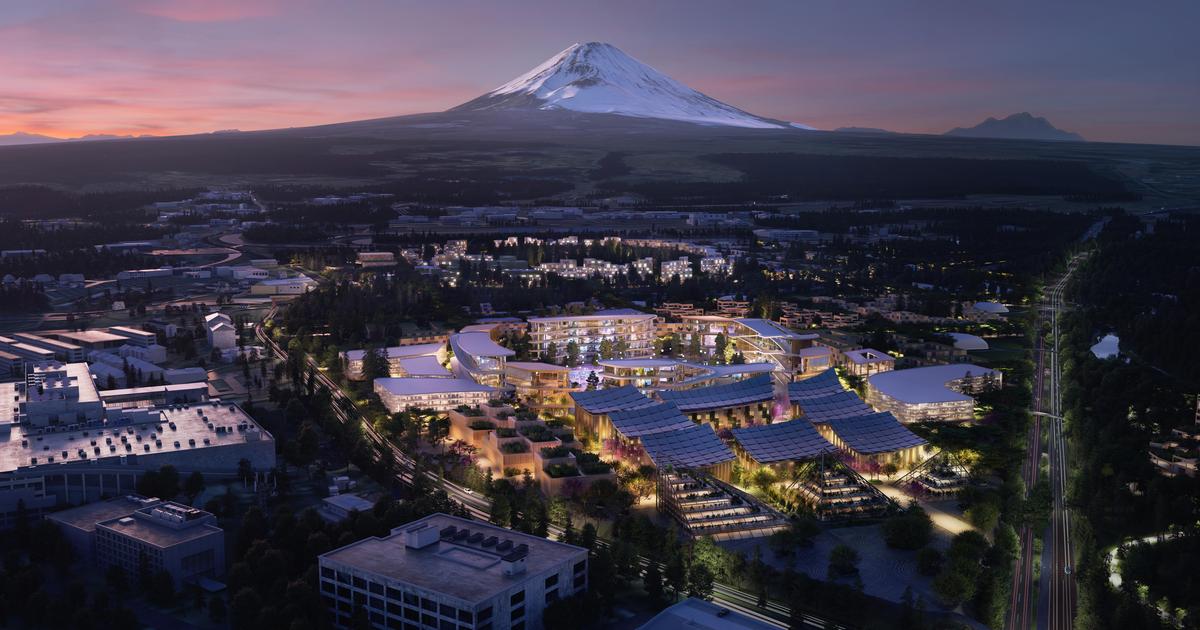
The 320-acre city, which will be called Net City, is a work-life campus for employees that promises to “bring work, life and play closer together”.
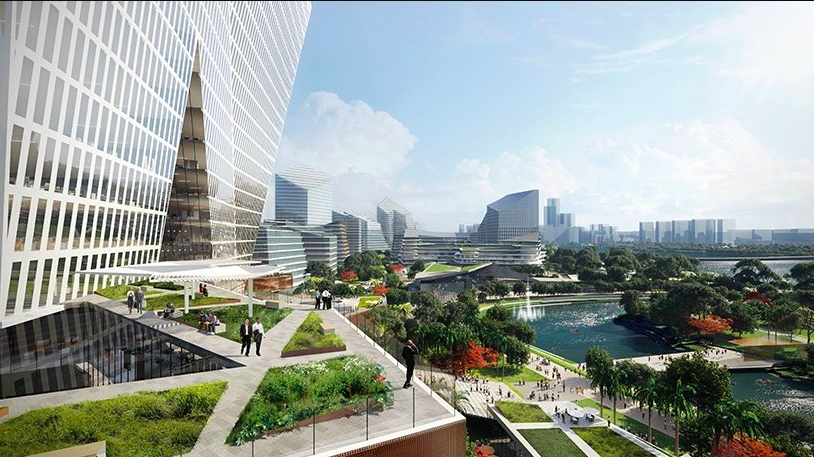
Designed by the award-winning architect firm NBBJ, it aims to “re-envision the urban environment” and will have offices, residences, schools, retail, open spaces, and grass-covered rooftops. Its transport, entertainment and retail offerings will be open to the general public.
“What happens when you bring one of the world’s largest tech companies and one of the world’s most innovative architecture firms together to re-envision the future of cities?” asked Jonathan Ward, design partner at NBBJ. “ In today’s computer-driven world, we are free to imagine a highly-integrated city that brings ‘work, life, play’ closer together.
“Net City will be built entirely from the ground up to reflect the distributed network of the internet itself. Inter-connected, integrated, organic and welcoming, Net City is designed to be a place where people can dream, come together as a community to connect and create new possibilities for the future.”
Sustainability is core to the city’s design: buildings will feature photovoltaic panels on the rooftop area and sensors will track environmental performance and flooding. The transportation strategy prioritises public transit, bicycles and pedestrian access.
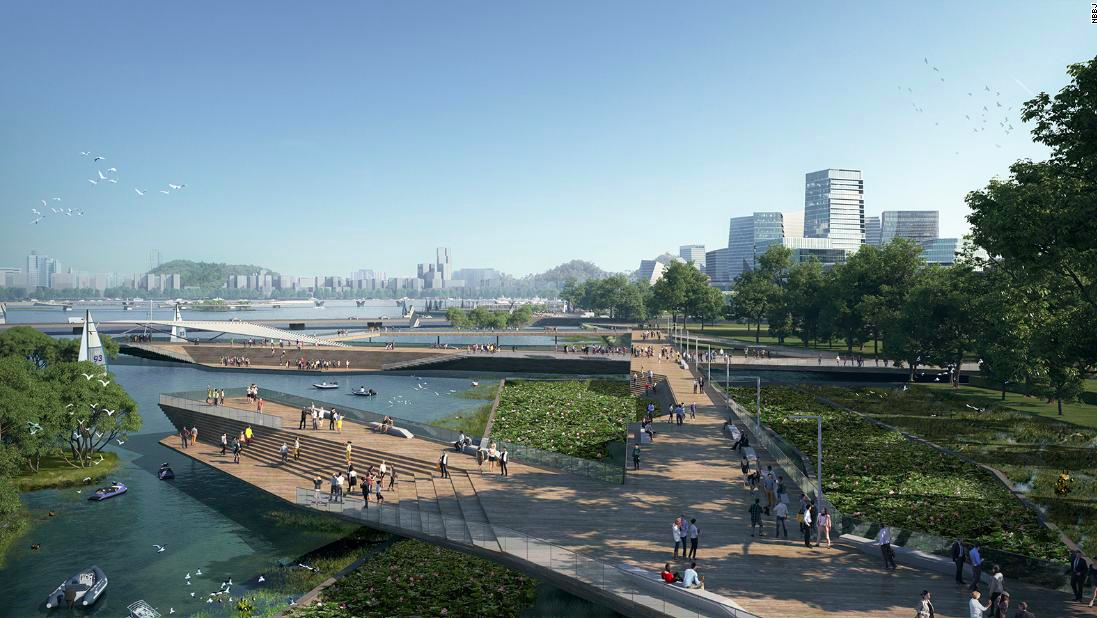
The design also meets the goals of China’s Sponge City Initiative by collecting water on campus, managing run-off and flooding, and placing mangrove trees at the shoreline’s edge.
NBBJ said: “The master plan for Net City is human-centric, where the buildings, blocks, and open spaces are made for humans without the distraction of motor vehicles and the noise, pollution, and speed that comes with them.”
Construction is expected to get underway in late 2020, with the build expected to take seven years.
Analysts PwC estimates that the global smart cities market will exceed US$2.5 trillion by 2025, with smart solutions providers accounting for US$987 billion of that market.






 ADD WORKGROUP