

What’s happening?
As well as ongoing environmental issues, the climate crisis is giving rise to a new socio-political divide. The constant barrage of negative headlines is creating an atmosphere of fear and despondency – and distracting us from focusing on solutions.
What’s causing it?
This divide functions on several different axes – between speed of consumption and a sustainable pace of production; between convenience and environmental responsibility; between what sustainable goods consumers want to buy and what they can afford. The richest 1% of the world’s population is responsible for more carbon emissions than the poorest 66%, yet it is the least well off who will bear the brunt of climate change.
Outlook for 2024
As companies shift resources towards meeting sustainability goals, adopting approaches that energise rather than scare will be key. Tapping into opportunities around climate tech and laying the foundations for a new clean economy will unlock a more positive and pragmatic way forward and help shoppers make the shift from end consumer to responsible citizen. The goal here is to make achieving sustainability more attainable, allowing businesses and people to adapt to a new reality.
03. Climate Tech Renewal
Climate tech refers to those technologies specifically focused on reducing the production of greenhouse gases and addressing global warming, helping companies and institutions adapt to tightening emissions targets while staying competitive as we transition to net zero. This is about becoming more environmentally efficient and finding better solutions to combat the climate crisis. A 2023 report by PwC found that the world needs to decarbonise seven times faster than the current rate if it is to limit warming to 1.5ºC above pre-industrial averages by 2050.
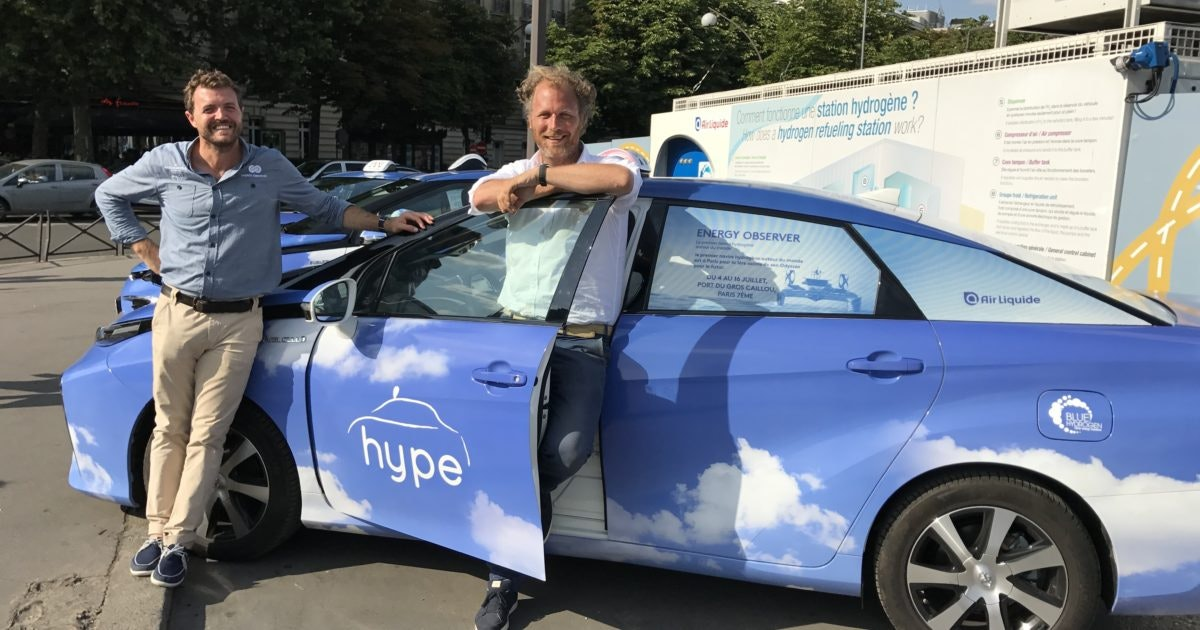
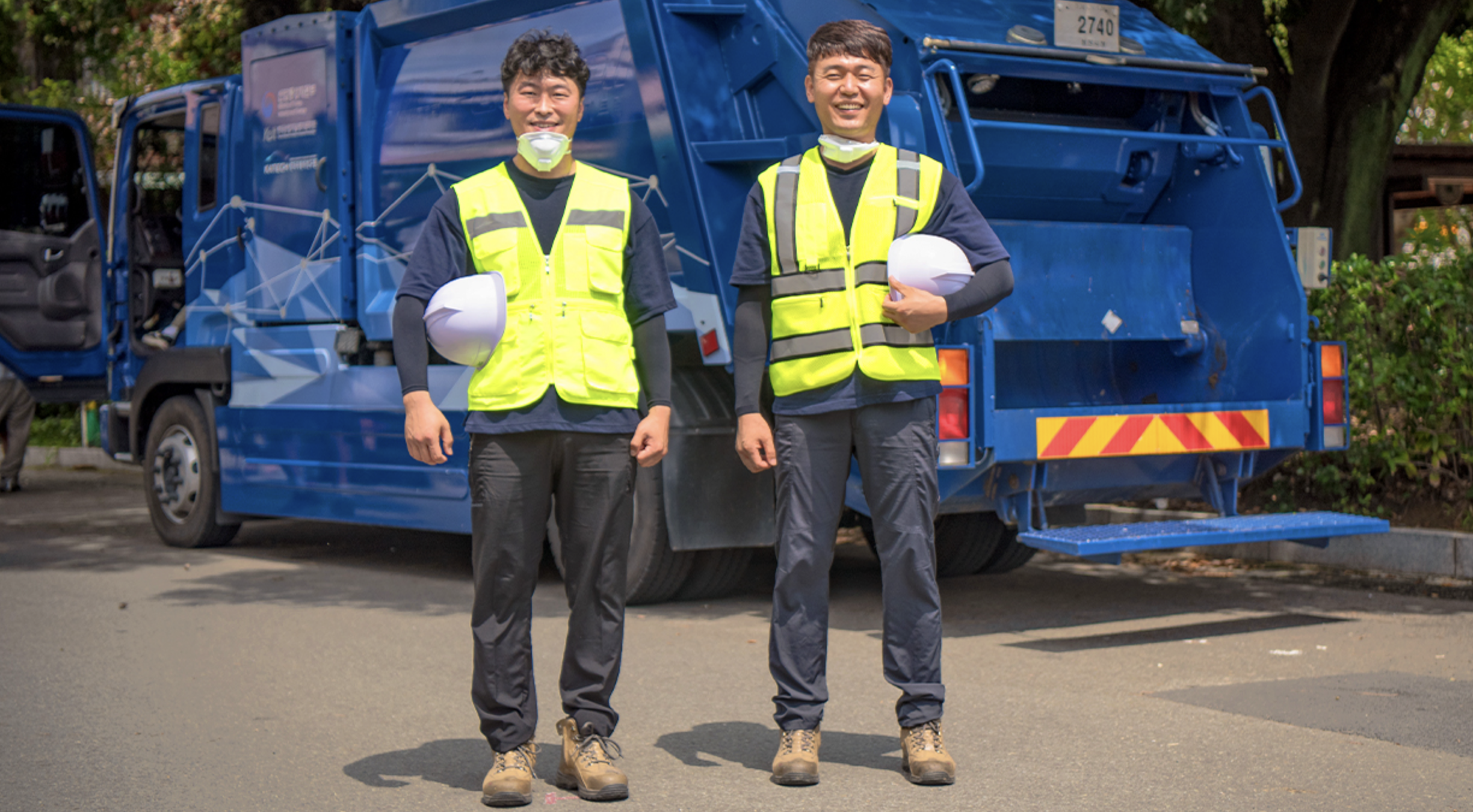
In cities all across the world we’re seeing hydrogen-powered transportation reaching mass adoption, part of a wider shift away from fossil fuels towards cleaner alternatives. In January 2024, Hong Kong launched its hydrogen-powered double decker Citybus, with a view to replacing diesel buses with zero-emission alternatives completely by 2045. In January 2023, we saw the launch of Hype, a ‘hydrogen mobility platform’ operating a fleet of taxis in Paris, powered by a network of hydrogen charging stations installed across the French capital. Germany is running the world’s first hydrogen-powered passenger trains, with other countries running their own trials. South Korea has also introduced hydrogen-powered garbage trucks, which emit nothing other than water, produce 40% less noise and far less heat than a typical diesel rubbish truck. The Korean government plans to produce 900 of the trucks by 2025.



Food production is also being fuelled by climate tech. A new 20-storey urban vertical farm in Chengdu, China, is capable of producing a harvest of lettuce autonomously every 35 days under controlled environmental conditions. Unaffected by climate or geographical constraints, the facility makes use of independently bred crop varieties, a vertical three-dimensional irrigation and cultivation system, an automatic nutrients-supplying system, and an AI-based intelligent control system.
A wave of new platforms are helping companies become more environmentally efficient, offering climate tech as a service. They also serve to demonstrate to consumers that they also make a difference through the companies they support. Carbonfact is a fashion-specific carbon management platform, helping brands track down the source of their carbon emissions and take action to stop them. Similarly, Greenspark offers ‘impact as a service’, helping companies take effective and accredited environmental actions every day, whether it’s through planting trees, rescuing plastic or a host of other carbon positive initiatives that can be integrated into business models and along the customer journey. Kita offers insurance products that look to increase the security of carbon credit purchases – the aim is that reducing risk in this area will help increase investment in carbon removal projects.
04. The Clean Economy

In 2024, increased adoption rates of climate tech and the need for businesses to become more environmentally efficient will set us on course towards the new clean economy. While this is a transition that will take several years to fully implement, the foundations are being laid now.
With the shift towards net zero, there has been a slow but considered rise of a green collar workforce. In 2023, a report from the International Energy Agency revealed that jobs in the clean energy sector now outnumber those in oil and gas and have the most potential for new job creation. LinkedIn’s Global Green Skills report 2023 shows that job postings on the platform requiring at least one green skill rose 15% between February 2022–February 2023. As of the start of the 2023-24 academic year, all students at India’s universities must complete studies in climate change and sustainability in order to graduate, according to new rules from the country’s higher education body. Meanwhile, the London Interdisciplinary School (LIS) is a new university in the UK offering degrees focused on building the skills to tackle complex real-world problems – from sustainability challenges to AI ethics and global health.
Language itself will also have an important role to play in the transition towards a clean economy and help to overcome divisions – and these are changes that we expect to see taking effect throughout 2024. At the UN’s COP28 climate conference in Dubai, which took place in Dubai in December 2023, Swiss environmentalist Bertrand Piccard proposed a new lexicon for tackling climate change, suggesting that there is a need for more positive and energising language around the topic. For example, in place of ‘green economy’, which Piccard argues motivates existing activists but repels people worried about rising bills or changes to their lifestyle, he suggests ‘the clean economy’ – because no-one wants ‘dirty’. John Marshall, from non-profit Potential Energy Coalition, advises businesses to drop abstract terms such as decarbonisation and anthropogenic altogether to ‘talk like humans’. Opt for ‘Save Florida” over “Get to Net Zero by 2040”, for example.

Everyone will need to play a role in the transition to a cleaner economy, and companies are looking to help consumers find their place within the shift. In an effort to bring its annual sustainability report to a wider (and younger) audience, in June 2023, Puma launched its Re:Gen podcast series. The series broke down the content of the brand’s sustainability report across ten episodes, bringing in guest speakers from around the world to discuss the issues, each of which is focused on one of Puma’s 10FOR25 sustainability targets.
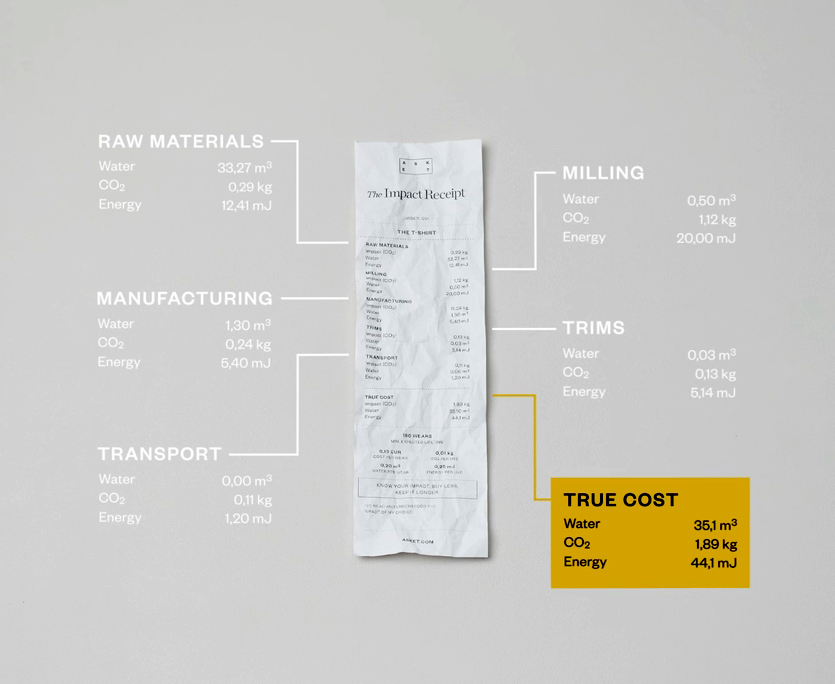
Bringing accountability to the forefront, clothing brand Asket rolled out impact receipts across its full range of products in November 2023. The receipts provide a detailed breakdown of each garment’s environmental footprint, including CO2 emissions and the water and energy used to produce it. The brand previously trialled the receipts in 2020, but decided to expand the initiative more widely as consumers have become more interested in understanding the impact of their purchases and taking a more active role in mitigating environmental damage.
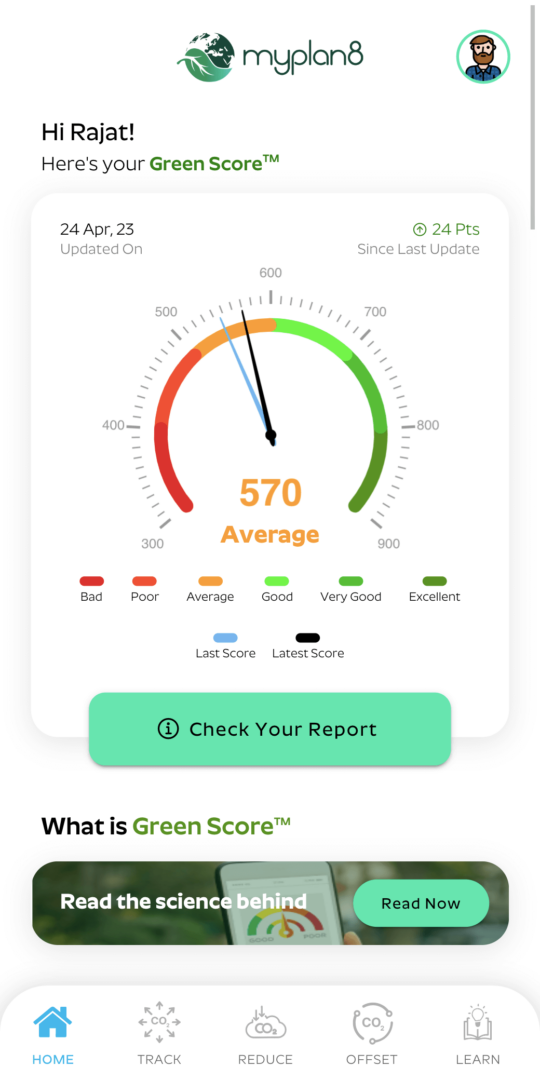
In the Global South, where eco-accountability is also growing, Mumbai-based tech start-up MyPlan8 has launched an app to help consumers track their carbon footprint and take steps to reduce it over time. Consumers can monitor and log their day-to-day activities on the app, which gives them a ‘Green Score’ showing their current impact. The tool then provides a personalised set of recommendations on how to improve the score and reduce their environmental footprint.





 ADD WORKGROUP